My Favorite Books of 2025
31 Dec 2025This year brought an eclectic mix of reads spanning business strategy, espionage, hospitality, AI, negotiation, psychology, and tech history. Here are the books that made the biggest impact on me in 2025.
Top Picks (5/5)
The Goal - Book of the Year
By: Eliyahu M. Goldratt, Jeff Cox
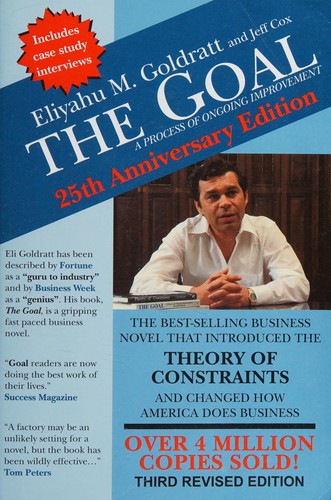
Why It’s Useful: A timeless business novel that introduces the Theory of Constraints through a compelling story about a manufacturing plant manager racing to save his factory. Essential reading for anyone in operations, management, or anyone who wants to understand bottlenecks and optimize processes.
Personal Insight: This book completely changed how I think about productivity and efficiency. The concept that optimizing individual components doesn’t optimize the whole system was a revelation. I’ve started applying the Theory of Constraints to software development—identifying the bottleneck in our delivery pipeline and focusing all improvement efforts there instead of trying to optimize everything at once. The narrative format made complex operations concepts accessible and memorable. I found myself thinking about Alex Rogo’s factory problems while solving my own engineering challenges.
The Spy and the Traitor - Best Non-Fiction
By: Ben Macintyre
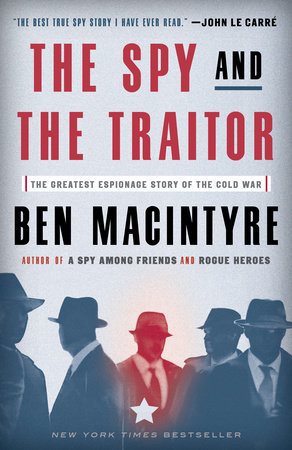
Why It’s Useful: The incredible true story of Oleg Gordievsky, the KGB colonel who became MI6’s most valuable spy during the Cold War. A masterclass in storytelling about espionage that reads like a thriller.
Personal Insight: I couldn’t put this book down. Ben Macintyre’s writing transforms real history into edge-of-your-seat tension. Gordievsky’s escape from Moscow had me holding my breath even though I knew the outcome. What struck me most was the psychological portrait—the immense pressure of living a double life for decades, and the moral courage required to betray your country for your principles. Given the current geopolitical situation, understanding the Soviet mindset and intelligence operations feels more relevant than ever. This is the best spy non-fiction I’ve ever read.
Unreasonable Hospitality - Best Business Book
By: Will Guidara
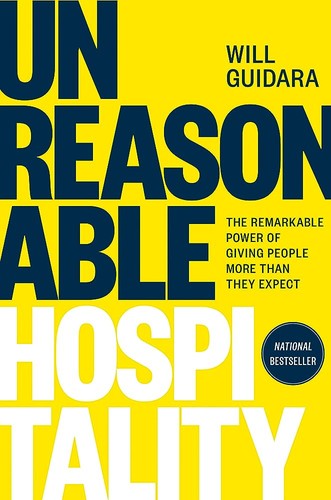
Why It’s Useful: Will Guidara shares how he transformed Eleven Madison Park into the world’s best restaurant through extraordinary attention to detail and going above and beyond for guests. The principles apply far beyond hospitality—to any business where customer experience matters.
Personal Insight: This book reshaped my understanding of what excellence looks like. The story about buying a hot dog for guests who mentioned they hadn’t tried a New York street hot dog perfectly illustrates the concept—it’s not about the cost, it’s about paying attention and creating moments that matter. I’ve started applying this mindset to my work: What small, unexpected gestures can make users feel truly seen? The book also taught me that building a culture of hospitality requires empowering your team to make decisions without asking permission. A must-read for anyone building products or leading teams.
Other Noteworthy Reads
Build a Large Language Model (From Scratch)
By: Sebastian Raschka
Why It’s Useful: A hands-on technical guide to building GPT-style LLMs from scratch using PyTorch. Perfect for developers who want to deeply understand how large language models actually work under the hood.
Personal Insight: In the age of AI hype, this book cuts through the noise by teaching you to build an LLM yourself. Sebastian Raschka’s clear explanations demystified transformers, attention mechanisms, and tokenization for me. Working through the code examples gave me a much deeper appreciation for what’s actually happening when I use ChatGPT or Claude. If you want to move beyond being just an AI consumer to understanding the technology shaping our industry, this is the book. It’s technical but accessible—you need Python knowledge but not a PhD in machine learning.
Never Split the Difference
By: Chris Voss, Tahl Raz
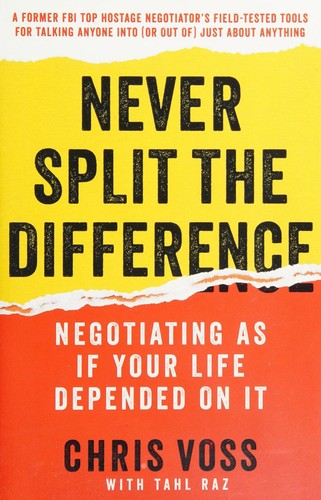
Why It’s Useful: A former FBI hostage negotiator shares field-tested negotiation techniques that work in business and everyday life. Practical tactics like tactical empathy, mirroring, and calibrated questions that you can apply immediately.
Personal Insight: I’ve already used techniques from this book in salary negotiations, vendor discussions, and even family disagreements. The concept of “tactical empathy”—understanding the other side’s perspective without necessarily agreeing—has been transformative. The “calibrated questions” approach (asking “how” and “what” instead of “why”) immediately improved my conversations with stakeholders. Chris Voss’s real hostage negotiation stories make the techniques memorable and credible. This is one of those rare books where you can apply what you learn the same day you read it.
Telling Lies
By: Paul Ekman
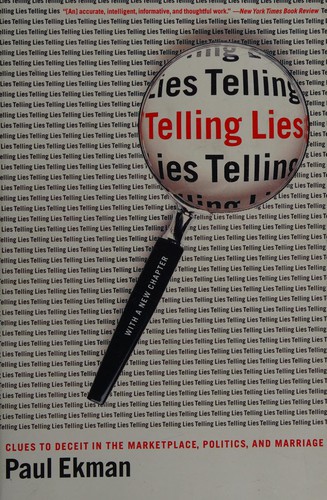
Why It’s Useful: The definitive guide to detecting deception through facial expressions, body language, and voice. Written by the psychologist whose research inspired the TV series “Lie to Me.”
Personal Insight: Paul Ekman’s scientific approach to understanding deception is fascinating. I picked this up after reading “Never Split the Difference” and it pairs perfectly with negotiation skills. The book doesn’t just teach you to spot liars—it explains why people lie and the emotional leakage that reveals truth. What I found most valuable was understanding micro-expressions and how our faces betray emotions before we can mask them. It’s made me more observant in meetings and interviews. A word of caution: this knowledge can make you slightly paranoid about reading everyone’s expressions.
Source Code: My Beginnings
By: Bill Gates
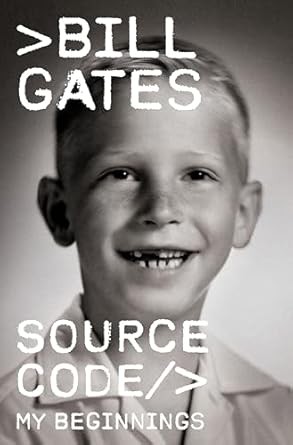
Why It’s Useful: Bill Gates’s candid memoir covering his childhood, the birth of Microsoft, and the early days of the personal computer revolution. The first part of a planned trilogy that offers rare insight into one of tech’s most influential figures.
Personal Insight: What surprised me most was Gates’s candor about his social awkwardness and obsessive personality. The early Microsoft stories—coding BASIC for the Altair, the chaos of moving to Albuquerque, the intense partnership with Paul Allen—felt like reading about a startup today. Gates humanizes himself in ways I didn’t expect, including his regrets about prioritizing work over relationships. For anyone in tech, it’s inspiring to see how our industry was built by passionate people figuring things out as they went. I’m eagerly awaiting the next two volumes.
I would love to hear your thoughts on these books. Have you read any of them? What did you think? Also, if you have any book recommendations for 2026, please share them with me.